Year-End Bookkeeping Cleanup: Get Ready for Tax Time in Indiana
December 2nd, 2025
6 min read
Snapshot
-
Messy books create real problems — from tax surprises to missed deductions. Incomplete or uncategorized records can lead to overpaid taxes, audit risks, and lost sleep in January.
-
Cleanup is different from monthly bookkeeping. It’s about reconciling, correcting, and completing the full year’s story so your accountant can file accurately.
-
December is your deadline. Indiana-specific filings like WH-3, 1099s, and local taxes are due by Jan 31 — waiting means penalties and panic.
-
Clean books = better decisions. You can spot your best months, test pricing, and decide whether you can afford to invest or hire.
-
Know when to DIY vs. when to call in help. If you’re behind, overwhelmed, or unsure where to start, expert help can save you time and keep your business penalty-free.
If you own a small business in Indiana, you already know that December can feel like the final boss of the year. You are trying to close out jobs, serve customers, manage your team, handle the holidays, and still prepare for income tax time. The “complexity villain” shows up every year when you least want it. It brings unfinished bookkeeping, missing receipts, surprise bills, and stress.
The good news is that none of this is a character flaw. You are busy running a business and keeping people employed. It is normal for your bookkeeping to fall behind. That said, a clean set of books before the year ends can save you from unnecessary headaches and help you make stronger decisions in the year ahead.
This guide walks you through what year-end bookkeeping cleanup really means, why it matters so much for Indiana businesses, and how to get it done with confidence.
What Is Year-End Bookkeeping Cleanup?
Year-end bookkeeping cleanup is the process of reviewing, correcting, reconciling, and updating your financial records so they are complete and accurate before income tax time. It is not the same as day-to-day bookkeeping. A normal month of bookkeeping focuses on keeping things moving. Year-end cleanup pulls everything together in a complete story that your accountant or income tax preparer can rely on.
Year-end cleanup is unique for three reasons:
- You are up against real deadlines for filings and payments.
- You need accurate records so your income tax preparer can file the right forms and help you avoid surprises.
- Any missing information from earlier in the year usually becomes obvious during December.
Many small businesses fall behind during the year because:
- They juggle many responsibilities.
- They are short on administrative help.
- They do not feel confident in accounting software.
- They experience growth and have more transactions than expected.
This is normal. Cleanup exists because life happens.
The Biggest Problems Indiana Business Owners Face When Books Aren't Clean
Messy or incomplete books cause more issues than most owners expect. Even small gaps in your records can snowball into bigger financial and compliance problems as the year closes. When the numbers are unclear, the stress and uncertainty grow quickly.
The biggest problems include:
Unexpected Income Tax Bills
When transactions are not updated or categorized correctly, your income tax preparer cannot give an accurate picture of what you owe. That often leads to surprise amounts.
Missed Deductions
Indiana businesses lose real money every year because receipts, mileage logs, equipment records, and vendor invoices are not captured.
High Stress During January through March
When books are not ready, everything becomes urgent at once. Owners scramble for paperwork, get frustrated with software, and lose sleep trying to find missing information.
Slow Responses to Lenders
Banks often request profit-and-loss statements, balance sheets, and year-to-date numbers. Restaurants, trades, and medical offices feel this pressure most. Dirty books can delay loan approvals and weaken your credibility.
Penalties for Missing State and Local Filings
Indiana has specific rules for withholding, sales tax, county taxes, and food and beverage tax. Late or incorrect filings can lead to avoidable penalties with a clean record.
Year-end cleanup removes these obstacles and helps you start the new year strong.
What Should I Clean Up Before Year-End?
Below is a simple checklist you can follow. It covers the main items every Indiana small business should review before the year wraps up.
Year-End Cleanup Checklist
|
Task |
What to Review |
Why It Matters |
|
Reconcile bank, credit card, and loan accounts |
Compare statements to your books |
Confirms accuracy and catches missing items |
|
Categorize uncoded transactions |
Vendor payments, cash purchases, and owner expenses |
Leads to proper deductions and clean reports |
|
Verify payroll accuracy |
IN WH-1, WH-3, unemployment filings, and county tax settings |
Avoids penalty notices or corrected filings |
|
Match records to receipts and invoices |
Vendor bills, customer invoices, digital receipts |
Supports deductions and prevents errors |
|
Review accounts payable and receivable |
Outstanding bills and customer balances |
Keeps cash flow accurate and avoids surprises |
|
Update mileage, asset purchases, and depreciation info |
Vehicle logs, equipment purchases, software, tools |
Helps maximize deductions |
|
Double-check sales tax filings |
Sales tax, county food and beverage tax, special district taxes |
Avoids penalties and protects compliance |
|
Confirm owner draws and distributions |
Confirm they are not recorded as expenses |
Prevents distorted financial statements |
|
Clean up your chart of accounts |
Remove duplicates, fix confusing names |
Makes future bookkeeping easier and clearer |
Working through these steps gives you a complete, reliable set of books and reduces the risk of unwanted surprises at tax time.
Year-End Tax Deadlines Indiana Business Owners Need to Know
Indiana has several important deadlines early in the year. Staying ahead of them makes for smooth filing and fewer headaches. These deadlines come up faster than most owners expect, so having your records organized now makes the entire process easier and far less stressful.
Key Federal and Indiana Deadlines
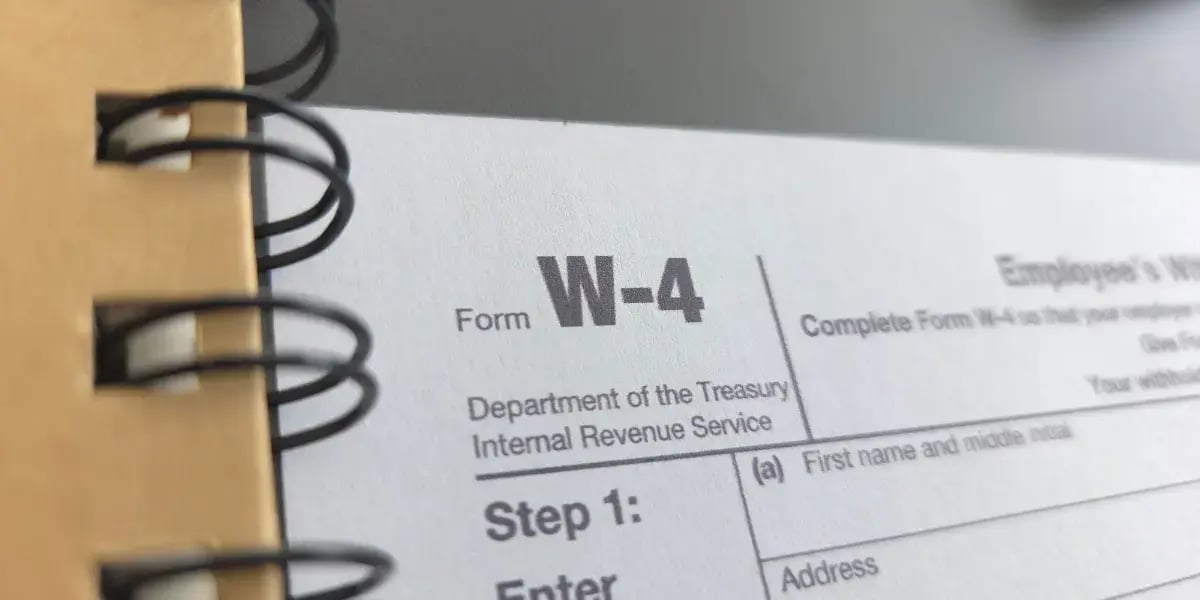
- W-2s and 1099s: Due to workers and contractors by January 31 and must be filed with the IRS.
- Indiana WH-3: Due by January 31, and summarizes your state withholding for the year.
- Annual Business Entity Report: Due based on your entity type and formation date. Indiana requires this to keep your business in good standing.
- Industry-specific filings: Restaurants often have a local food and beverage tax. Healthcare practices have unique payroll and compliance rules. Trade businesses may have licensing renewals tied to financial statements.
What Happens if You Miss a Deadline
Missing a required deadline can create a chain reaction that slows down your business and adds unnecessary stress. These problems often appear when owners are trying to prepare their own income taxes or finalize financial decisions for the year.
Late filings can lead to:
- Penalty fees
- Interest charges
- Notices from the IRS or Indiana DOR
- Delays for owners needing personal income tax filings
- Possible issues with business licensing or contract approvals
How to Avoid Penalties
The easiest way to stay penalty-free is to stay organized and give yourself enough time to handle filings before they become urgent. Simple steps like the ones below can protect your business from unnecessary fees and last-minute surprises.
- Start the cleanup early.
- Verify mailing addresses for forms.
- Use accounting software that tracks deadlines.
- Keep payroll and sales tax filings updated each month.
- Ask for help before you feel overwhelmed.
How Clean Books Help You Save Money on Taxes
Up-to-date books help you save money in several important ways. When your records are complete and organized, you can clearly see what you spent, what you earned, and what qualifies as a deduction.
Avoid Paying More Than You Should
When expenses are missing or miscategorized, you may appear more profitable than you actually are. Clean books help you pay income taxes based on real profits, not inflated ones.
Capture Every Deduction That Counts
Common deductions Indiana owners often miss include:
- Mileage or actual auto expenses
- Software subscriptions
- Home office use, when applicable
- Tools for trades and field service teams
- County-specific taxes related to payroll or sales
Make Smarter Decisions With Clear Financial Insights
You can finally answer questions like:
- What did we really make this year?
- Which months were strongest?
- Did we price correctly?
- Are labor or food costs too high?
- Should we hire or wait?
- Can we afford that new truck or that piece of equipment?
With up-to-date data, you make better decisions and plan ahead with confidence.
Should You Do This Yourself or Get Help?
Cleaning up your books can be simple if you keep things current, but it can also turn into a time-consuming project once several months pile up. Many owners start with good intentions, only to realize the cleanup takes more focus and technical knowledge than they expected. The key is knowing when DIY is realistic and when it becomes a distraction from running your business.
DIY May Work If:
- Your books are mostly current.
- You feel comfortable in QuickBooks.
- You have time set aside this month to complete everything.
- You understand Indiana requirements for payroll, sales tax, and county filings.
You Should Get Help If:
- You are behind on reconciliations or filings.
- You had major changes this year, such as new assets, new ownership, or a change in business structure.
- You cannot remember the last time you updated categories.
- You are not confident about payroll accuracy.
- You feel overwhelmed or unsure where to start.
Sometimes the fastest way forward is to let an expert handle the cleanup while you focus on serving customers and managing your team. A little support at the right moment can save hours of frustration and help you finish the year with clarity instead of stress.
Start the New Year With a Clean Slate
Clean books are one of the best gifts you can give your business. They help you file your income taxes without fear, avoid penalties, and make smarter decisions. If you fell behind, there is no reason to panic. Every business hits bumps during the year. What matters is taking the next step.
If you want a clean start, TMA Accounting can help. Our team works closely with Indiana business owners to clean up financial records, simplify the year-end process, and reduce stress at income tax time.
Reach out today to schedule your year-end cleanup and start 2026 with clarity and peace of mind.
Blog Disclaimer: Nothing in this post constitutes legal, tax, or financial advice and is intended for informational and educational purposes only. This informational and educational material is not intended, and must not be taken, as legal, tax, or financial advice on any particular set of facts or circumstances or as recommendations that are suitable for any specific person. You need to contact a lawyer, accountant, or financial adviser licensed in your jurisdiction for advice on your specific questions, issues, and concerns. View our full Terms of Use here.
Dan Enge, CPA, is TMA’s Director of Accounting Services, dedicated to helping small businesses stay organized, confident, and financially strong. He brings more than 8 years of experience guiding business owners through the complexities of accounting and tax.
Topics: