Updated July 2026
The last two months of the year are a lot to carry. Patients are calling to squeeze in appointments before their insurance benefits reset. Your schedule is tighter than usual. Your team is stretched. And underneath all of it, you are quietly tracking a list of year-end financial questions that nobody else in the practice is thinking about.
Did you withhold enough for taxes? Where does profit actually stand? Should you buy that new scanner before December 31, or wait? Which bills should you pay now, and which ones should wait until January?
These are real questions, and they deserve real answers. You did not spend all of those years in dental school to become an accountant, and there is no reason you should have to think like one in December. The truth is, year-end is not as complicated as it feels right now. With current numbers and a short list of decisions made on purpose, you can close out the year cleanly and walk into January without anything weighing on you.
The short version: four decisions matter most before December 31. Check that your tax withholdings and estimated payments are sufficient, get a read on where profit actually stands, time any equipment purchases so the deduction lands in the right year, and decide which bills to pay now versus after January 1. Get those four right, and the rest of year-end takes care of itself.
Here is how to think through each one. Or if you would rather talk it through with someone, schedule an intro call and we'll start there.

Start by Checking That Your Withholdings Are Sufficient
Of all the year-end items to look at, this one is the most time-sensitive. Once the calendar flips to January, your options shrink fast.
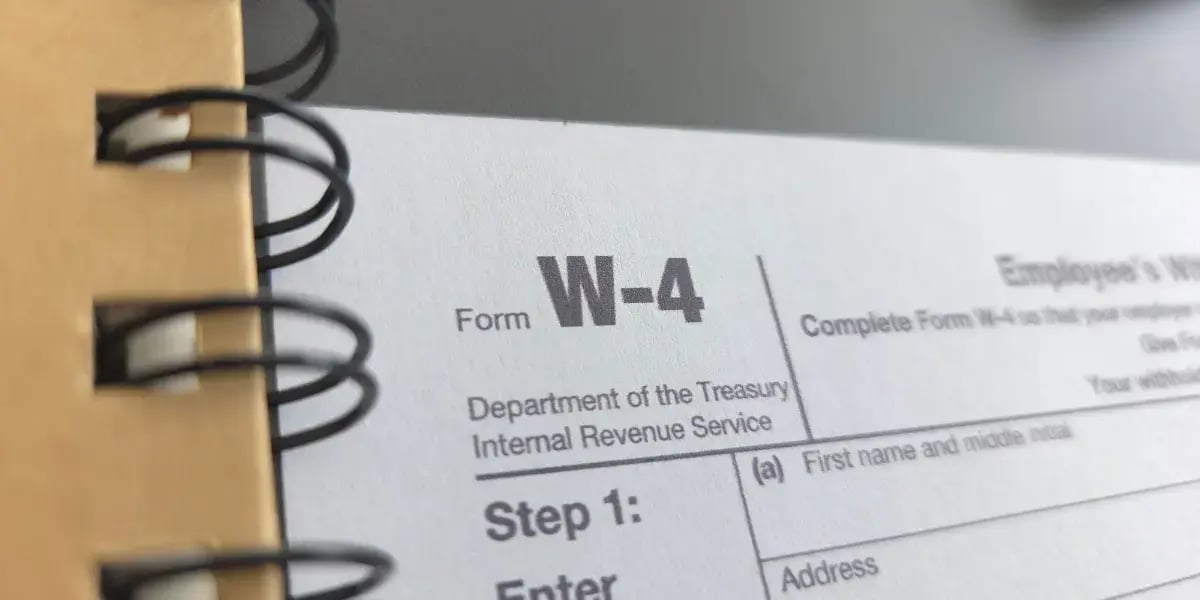
Insufficient tax withholdings or estimated payments are one of the most common reasons dentists get hit with an unexpected bill at tax time. By the time your accountant prepares your return in February or March, the year is over, and your chance to adjust is gone.
A few things to review before year-end:
- Your year-to-date profit compared to last year
- Estimated tax payments you have made this year, both federal and state
- W-2 withholdings from any wages you take from the practice
- Whether a strong fall has pushed your income meaningfully higher than expected
Here is a common scenario. A dentist has a stronger production year than last year. Collections are up. Profit is up. But back in April, they set quarterly estimated tax payments based on last year's numbers. That dentist is almost certainly under-withholding, and a surprise bill is waiting in March.
A simple income tax preview, based on your year-to-date numbers, shows the gap while there is still time to act. You might make an additional fourth-quarter estimated payment, or if you take wages from the practice, adjust your December withholding. Either way, you see what is coming, and you make a choice. No one likes finding out in March that they owed more in January.
Get a Real Read on Profit
Many dentists watch the production numbers in their practice management software every day. But production is not profit. Collections are not profit. Profit shows up only when your books are clean and current.
Before you make any other year-end decision, you need to know where profit actually stands. That means looking at:
-
Your year-to-date profit and loss compared to your budget or last year
-
The trend in your profit margin across the year
-
Any unusual items, like one-time costs or miscategorized expenses
Almost every other year-end decision depends on this picture. Equipment timing, employee bonuses, retirement contributions, owner distributions, and charitable giving. All of it. Making decisions based on stale or inaccurate books leads to either spending money you shouldn't have spent or missing opportunities you should have caught.
If your books are not current as of late November, that is the first thing to address.
Think Carefully About Equipment and Major Purchases
A new intraoral scanner, a CBCT unit, an updated chair, or a sterilization upgrade can be a smart move for your practice. But the timing of the purchase affects when the tax deduction lands. This is one of the most common year-end questions dentists ask.
A few things to know:
- "Placed in service" is what matters. Equipment generally has to be in your office and ready for use by December 31 to be deductible in the current year. Equipment that has been ordered and paid for but is sitting on a loading dock somewhere or is scheduled for a January install usually does not count for this year.
- Financed purchases still count. You can typically deduct the full cost in the year the equipment is placed in service, even if you financed it. The loan payments themselves are not the deduction.
- Bigger is not always better. Buying equipment just to lower a tax bill rarely pencils out. A dollar spent on equipment saves you only a portion of that dollar in taxes. The rest is real money leaving the practice.
- The rules change. Section 179 limits and bonus depreciation percentages have shifted in recent years. Do not assume last year's treatment still applies. Confirm the current-year rules before you commit to a big purchase.
The right question is not "What can I buy to lower my taxes?" The better question is "What does the practice actually need, and does it make sense to act before year-end?"

Decide Which Bills to Pay Now and Which Ones Can Wait
If your practice uses cash-basis accounting, as many dental practices do, the expense counts in the year you pay it. Not the year it was billed. That gives you some control over which year your deductions land in.
|
Pay Before December 31 |
Wait Until After January 1 |
|
Higher profit year and current deductions are valuable |
Lower profit year and deductions may help more next year |
|
Vendor invoices are already due in early January |
Cash flow is tight in December |
|
Prepaying known expenses like CE, insurance, or software renewals |
No operational reason to accelerate payment |
|
Potentially pulling state tax deductions into the current year (confirm rules first) |
Bill is not yet due |
Pay before December 31 when:
- Your profit is up, and a higher current-year deduction is useful
- Vendor invoices are already sitting in your inbox and are due in early January
- Prepaying a known January expense makes operational sense, like a continuing education course, an insurance premium, or a software renewal
- Your state estimated income tax payment is due in January, and prepaying in December may pull the deduction forward (rules vary, so confirm before assuming)
Wait until after January 1 when:
- This year's profit is lower than usual, and next year looks stronger, so the deduction is more valuable next year
- Cash flow in December is tight (do not let tax timing override cash flow reality)
- The bill is not actually due yet, and there is no operational reason to rush
There is a payroll piece here, too. Year-end bonuses paid in December land on this year's W-2s. Bonuses paid in early January land on next year's. Either can be the right choice, but the choice should be intentional.
A Few More Items Worth a Look
A handful of smaller items can cause friction in February if they get skipped in December. None of them is complicated, but they add up.
- Retirement contributions. SEP IRAs, SIMPLE IRAs, and 401(k) plans all have different deadlines and limits. Some allow contributions after year-end. Some do not. Confirm the deadline for your specific plan.
- W-2s and 1099s. Make sure every contractor you paid $600 or more has a current W-9 on file. Chasing down W-9s in late January is a familiar headache.
- Employee information. Confirm addresses, names, and withholding forms in December so you do not have to reissue W-2s in February.
- HSA contributions. If you or your employees have HSA-eligible plans, year-end is a natural checkpoint.
- Charitable giving. If the practice or you personally make year-end donations, keep the documentation.
- Books closeout readiness. Bank accounts reconciled through November, receipts captured, and mileage logs are current.
Year-End Gets Easier With the Right Help
If reading this made you realize year-end is going to be a scramble, you're in good company. Most dental practice owners hit this point at some stage. A busy December is not a sign of failure. It's usually a sign you've been busy running your practice.
At some point, though, the financial side of the practice needs structure and rhythm.
This is where having the right help makes a difference.
At TMA Accounting, we help small business owners bring their bookkeeping, payroll, and income taxes under one roof. You get one team, one system, and one clear source of information. That means fewer surprises at tax time and less stress in December.
If you're not sure where your practice stands going into year-end, the first step is simple.
Schedule a quick intro call with us and see what TMA’s ongoing support would look like for your practice.
Already know what you want? Try our Price Estimator to see what our pricing would look like for a practice of your size. It takes just a couple of minutes, and there's no pressure to move forward until you're ready.
Year-end won't slow down. But with up-to-date numbers and a team that knows your practice, you walk into January prepared instead of guessing, and you stay in control of the financial side instead of reacting to it. That's the difference between a scramble and a clean close.

Blog Disclaimer: Nothing in this post constitutes legal, tax, or financial advice and is intended for informational and educational purposes only. This informational and educational material is not intended, and must not be taken, as legal, tax, or financial advice on any particular set of facts or circumstances or as recommendations that are suitable for any specific person. You need to contact a lawyer, accountant, or financial adviser licensed in your jurisdiction for advice on your specific questions, issues, and concerns. View our full Terms of Use here.