What Small Business Owners Should Expect When Applying for a Loan
January 25th, 2026
3 min read

Whether in expansion mode or facing a short-term cash crunch, small businesses often find themselves in need of capital.
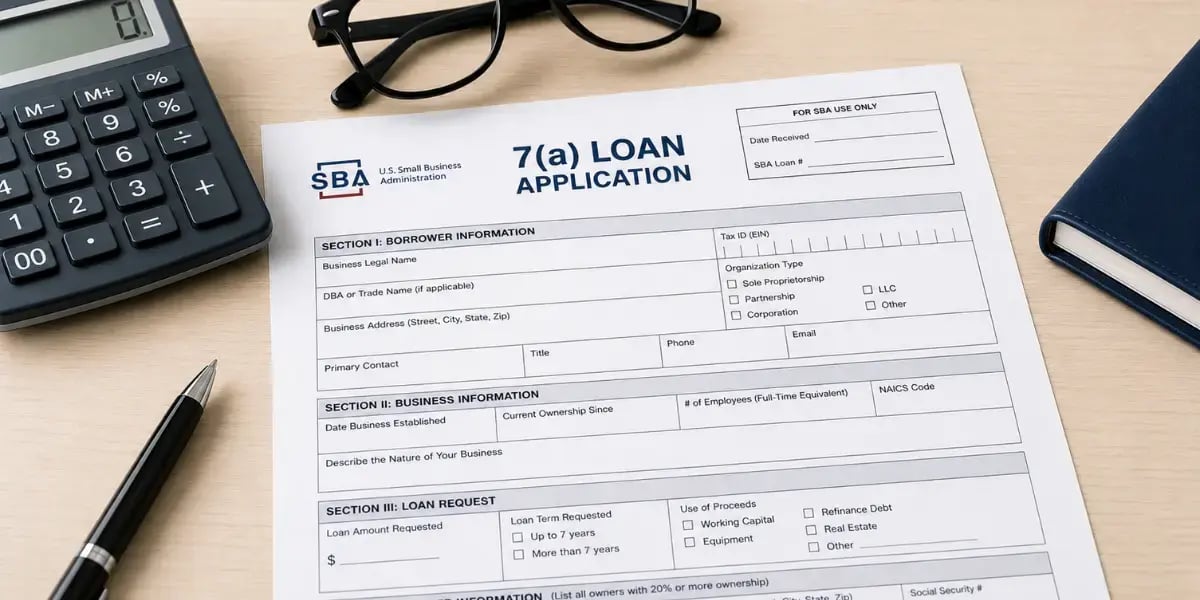
But applying for a loan is a time-consuming process that can easily become overwhelming. And there's always the nagging doubt that — despite your best efforts — the bank will decline your application. Yet with careful planning and preparation, small business owners can make the process move much faster and increase the odds of getting the loan.
Here's what lenders typically want applicants to focus on when applying:
The Basics
Be prepared to answer the following questions:
1. Why Do You Need to Borrow Money?
Companies typically borrow to increase their working capital or to invest in assets for the future. Make sure you understand the difference between a loan that increases your working capital (current assets minus current liabilities) and one that provides investment or growth capital for the long term.
2. How Much Would You Like to Borrow?
You should request a credible and defensible amount. Provide the loan officer with access to the calculations you used to determine your borrowing needs. Be prepared to answer questions regarding the assumptions you relied on to prepare the analysis. And don't be surprised if the lender asks you to recalculate based on different assumptions.
3. When Will You Need the Money?
One of the major criticisms of the borrowing process is the length of time it takes for lenders to review a loan application. If possible, begin the loan application process long before you need the funds. When you apply for the loan, explain when you'll need the money. If your disbursement is time-sensitive, the lender might move your application to the head of the line.
4. How Will You Repay the Loan?
Not surprisingly, lenders want to know how and when borrowers plan to pay back the borrowed money. Be specific. Make sure that your financial projections reflect a payment plan for the amount and terms you expect to receive.
5. Do You Have Collateral to Secure the Loan?
One way banks limit their risk is to secure a loan with an asset, or collateral. Banks typically accept collateral that they can easily value and sell, but the type varies according to the loan's purpose.
For example, a lender usually will secure a loan to increase working capital with accounts receivable, inventory, or some other easily valued and liquidated asset. Alternatively, a lender might collateralize an asset-purchase loan with the equipment or real estate bought with the loan proceeds.
6. Are You Willing to Personally Guarantee the Loan?
When banks lend money, they want to maximize the probability that the borrower will fully repay the loan. To accomplish this goal, banks often ask business owners or executives to personally guarantee the loan. That way, if the company can't satisfy the debt, the guarantor is obligated to do so using personal funds or assets. Because of the high risk of personal guarantees, be sure to consult your attorney before signing for a loan with one.
Business Plan, Financial Statements, and You
Banks often expect loan applications to include a business plan. An effective business plan includes a description of the business, its target markets, and the products or services offered. A business plan typically also includes information regarding the ownership structure and senior management team. In addition, some banks could ask for current financial statements, which should generally include:
- An income statement
- A balance sheet
- Cash flow statements for the previous three years, if possible
- A personal financial statement for each party that intends to provide a personal guarantee
Make sure that the financial projections included present a realistic forecast. Overly optimistic forecasts will likely lessen your chances of approval.
Although banks spend much of their time assessing the ability of a business to service the debt in question, a lender's decision could hinge on you as a business owner. Make sure you're prepared to accurately describe how your education, training, and experience enable you to run a successful company that can repay the loan.
Be Accurate and Convincing
The primary goal when applying for a business loan is to present an accurate and convincing case to a lender regarding your creditworthiness. Each lender's underwriting guidelines vary, but small businesses that take the time to complete a well-thought-out application often see their efforts rewarded with a loan.
© 2026
Blog Disclaimer: Nothing in this post constitutes legal, tax, or financial advice and is intended for informational and educational purposes only. This informational and educational material is not intended, and must not be taken, as legal, tax, or financial advice on any particular set of facts or circumstances or as recommendations that are suitable for any specific person. You need to contact a lawyer, accountant, or financial adviser licensed in your jurisdiction for advice on your specific questions, issues, and concerns. View our full Terms of Use here.
TMA Accounting has helped small businesses simplify accounting, payroll, and taxes for over 25 years so owners can focus on growing with clarity and confidence.
Topics: