Running a restaurant isn’t glamorous.
It’s demanding, unpredictable, and often unforgiving. For every restaurant that becomes a neighborhood staple, dozens quietly close their doors within the first few years.
That’s what makes Late Harvest Kitchen different.
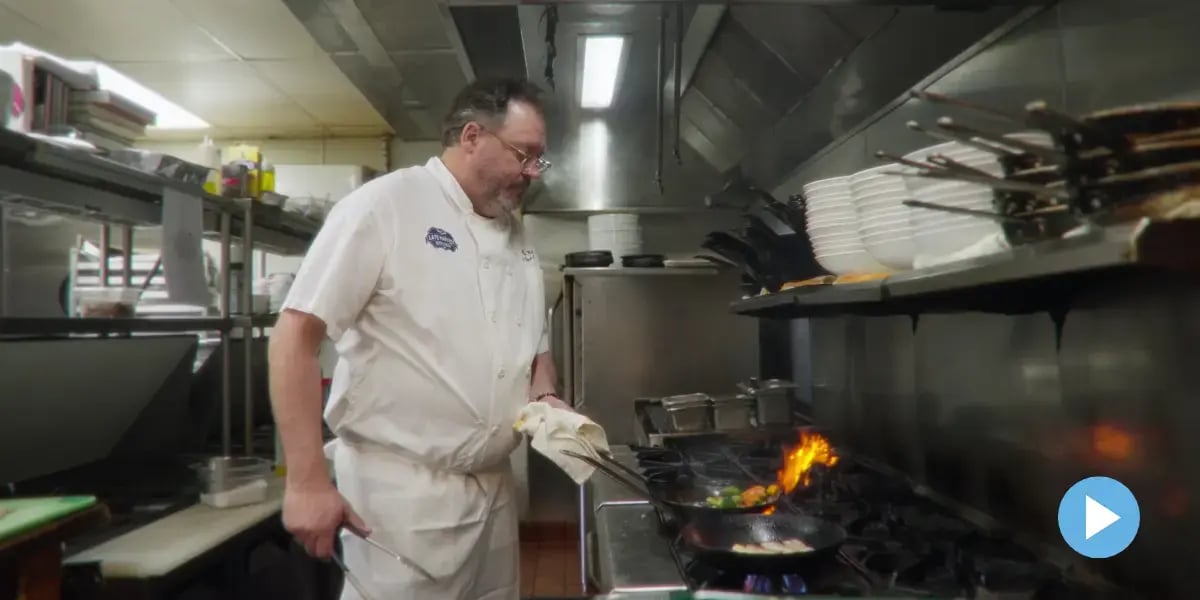
Fifteen years in, Late Harvest Kitchen isn’t just surviving, it’s thriving. And behind that longevity is Ryan Nelson, chef, owner, operator, problem-solver, and, on some days, the guy fixing the ice machine before dinner service.
This is the story of how Ryan built a restaurant designed to last and why getting the financial side right was just as important as putting the right food on the plate.
From Chef to Owner: A Whole New Set of Challenges
Ryan Nelson has spent his entire adult life in kitchens. Cooking, leading teams, and creating menus — that part came naturally. But when he moved from a corporate restaurant environment to opening his own place in 2011, everything changed.
“You wear so many hats you never thought you’d wear,” Ryan explains. “It’s exhilarating, but it’s also overwhelming, especially in the first few years.”
In a corporate setting, entire teams handle accounting, payroll, taxes, permits, and compliance. When you open an independent restaurant, all of that responsibility lands squarely on your shoulders.
Construction delays. Permits. Vendors. Payroll. Taxes. Equipment breaking at the worst possible time. And through it all, the doors still have to open at 5:00 p.m. sharp.
It was a crash course in ownership that forced Ryan to learn quickly, adapt constantly, and build systems that could support the business long-term.
Building for Longevity from Day One
From the beginning, Ryan was thinking long-term.
Late Harvest Kitchen was never designed to be trendy or flashy. It was built to be consistent, sustainable, and strong enough to last in an industry where so many restaurants fold.

“I always knew this had to work as a business,” Ryan says. “Not just for me, but for my partner, for our employees, and for the people who depend on this place.”
That mindset shaped early decisions around staffing, menu size, sourcing, and systems. Instead of trying to be everything to everyone, Ryan focused on doing fewer things well and doing them consistently.
Menus changed with the seasons, but not randomly. Costs were monitored closely. Waste was treated as something to be managed, not ignored. And from the start, Ryan knew that strong financial systems would be just as important as a strong menu.
Longevity does not happen by accident. It is built deliberately, one decision at a time.
Why Financial Discipline Matters More Than You Think
Restaurants are often viewed as creative ventures. But Ryan is clear-eyed about the reality.
“The numbers and the books are probably more important than the food itself,” he says. “This isn’t a hobby. It’s a business.”
From day one, Ryan knew that financial discipline would be essential to building a restaurant designed to last.
Food costs had to be managed carefully. Menu changes needed to balance creativity with profitability. Waste had to be minimized. Payroll had to be accurate. Taxes had to be filed correctly and on time.
And that meant finding the right accounting support.

Finding the Right Fit Took Time
TMA Accounting wasn’t the first firm Ryan worked with. It was the third.
The first two weren’t bad firms, but they weren’t the right fit. They tried to force Ryan’s restaurant into systems that didn’t align with how his business actually operated.
“It has to be a partnership,” Ryan explains. “You have to find someone who listens, understands what’s important to you, and works with how you operate, not against it.”
From the beginning, TMA approached Late Harvest Kitchen differently. Instead of forcing a one-size-fits-all approach, they focused on clarity, consistency, and alignment with Ryan’s priorities.
One Roof, Fewer Headaches
Today, Late Harvest Kitchen has its accounting, payroll, and tax compliance handled under TMA’s one roof.
That simplicity matters more than most business owners realize.
“You already have so many vendors, so many accounts, so many people to deal with,” Ryan says. “Having everything handled by one firm makes it almost automatic.”
The result isn’t just cleaner books. It’s peace of mind.
Less stress about deadlines. Less time double-checking reports. Less mental energy spent worrying about whether something was missed.
What Stability Really Gives You Back
Getting the financial side of the business under control didn’t suddenly make restaurant ownership easy. But it did give Ryan something invaluable. Time and focus.
Sometimes that means spending more time with his wife and kids, moments restaurant owners too often miss.
Other times, it means focusing on marketing, staying relevant, and adapting in an industry that never stands still.
And occasionally, it means something even simpler. Spending a day in the kitchen experimenting and creating.
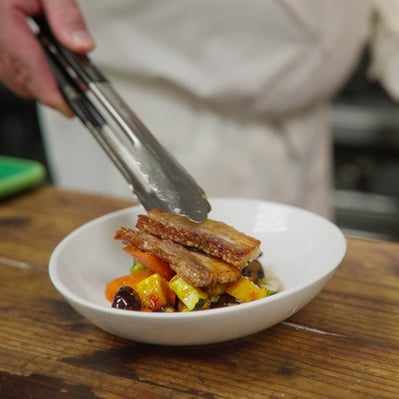
“Sometimes I spend an entire day cooking. For a chef, those days are rare,” Ryan says. “But they’re special. It’s great for my mental health.”
A Legacy Built on People and Consistency
Ask Ryan what he’s most proud of, and he doesn’t point to awards or menu items.
He talks about longevity.
Fifteen years in business. Surviving 2020. Team members who’ve been with him for a decade or more, which is unheard of in the restaurant world.
“I’m proud of the people,” Ryan says. “The friendships. The families. The lives that intersected here.”
That kind of legacy doesn’t happen by accident. It’s built on consistent systems, clear expectations, and support that removes complexity rather than adding to it.
The Value of Stability in a Demanding Business
Looking back, Ryan says that working with TMA gave him more than organized books and timely filings. It gave him stability in a business where very little feels predictable.
“There was just less stress, less worry,” Ryan says. “Less brain damage associated with making sure things were filed on time or that the reports were correct.”
Having accounting, payroll, and taxes handled under one roof removed a constant mental burden and freed him to focus on where his time mattered most, leading his team, running the restaurant, and spending more time with his family.
For Ryan, that clarity and consistency have been a big part of why Late Harvest Kitchen is still standing fifteen years later.
“It’s allowed me to focus on the restaurant and the people,” he says. “And that’s ultimately what makes this whole thing work.”
Blog Disclaimer: Nothing in this post constitutes legal, tax, or financial advice and is intended for informational and educational purposes only. This informational and educational material is not intended, and must not be taken, as legal, tax, or financial advice on any particular set of facts or circumstances or as recommendations that are suitable for any specific person. You need to contact a lawyer, accountant, or financial adviser licensed in your jurisdiction for advice on your specific questions, issues, and concerns. View our full Terms of Use here.
Topics: