Where Do I Start with Small Business Accounting in Indiana?
March 2nd, 2026
4 min read
If you’re a small business owner, chances are you didn’t start your company because you love accounting.
You started it because you’re good at what you do. You saw a need. You wanted control over your future. Somewhere along the way, though, you inherited a stack of responsibilities that no one really explains. Responsibilities like bookkeeping, payroll, taxes, reports, deadlines, and rules that seem to change constantly.
If business accounting feels overwhelming, confusing, or easy to avoid, you’re not failing. You’re normal.
Below, we give you a simple, practical place to start with clear steps to help you get organized, reduce stress, and stop guessing.
Why Business Accounting Feels So Confusing (And Why That’s Normal)
Running a business and tracking a business are two very different jobs.
Running a business means serving customers, managing employees, solving problems, and making decisions every day. Tracking a business involves recording transactions, reconciling accounts, following payroll rules, and trying to stay compliant with tax requirements.
Most owners are trained for the first job. Almost no one is trained for the second.
That gap leads to a few common myths:
- “I’ll figure it out at tax time.”
- “As long as I use QuickBooks, I’m covered.”
- “If there’s a problem, my accountant will catch it later.”
The risk is not immediate failure. The risk is slow, quiet damage.
When accounting gets ignored for too long, business owners often face:
- Cash flow surprises
- Late or incorrect filings
- Penalties and notices
- Stress that never really goes away
- Decisions made without reliable numbers
The problem isn’t a lack of effort or intelligence. It’s that business accounting is built on layers of rules and deadlines that don’t come naturally to most owners. When there’s no clear system in place, even smart, capable people feel stuck. Confusion is not a sign you’re doing something wrong. It’s a sign you need a simpler, more reliable process to support you.
Separate Your Business and Personal Finances
If you do nothing else, do this first.
Separating your business and personal finances is not optional. It is the foundation on which everything else sits.
What to Set Up Right Away
Once you’ve separated finances, the setup itself is simple and straightforward.
- A dedicated business checking account
- A dedicated business credit card
Use them only for business activity. Pay yourself from the business instead of paying personal expenses directly from it.
Why This Matters More Than It Seems
Mixing business and personal money doesn’t just create clutter today. It also quietly causes bigger problems down the road.
When finances are mixed together:
- Bookkeeping becomes harder and more expensive
- Reports lose accuracy
- Tax filings take longer
- Clean-up work grows fast
Think of it like tracking your fitness by combining your steps with someone else’s. You never get a clear picture. Clean separation creates clean data, and clean data leads to better decisions.
Choose the Right Accounting Software
While there are many options for accounting software, most small businesses start with QuickBooks Online, and for good reason. It’s widely supported, cloud-based, and flexible enough for many service businesses.
That said, accounting software does not actually do your accounting. It stores transactions, organizes data, and produces reports based on what’s entered.
Software doesn’t know how transactions should be categorized, won’t catch missing activity on its own, and can’t reconcile accounts without someone reviewing the details. Accurate numbers still depend on a consistent process and human oversight.
The goal early on is not perfection. It’s consistency. A simple setup, used correctly every month, beats a complex system no one understands.
Decide What You’ll Do Yourself vs. What You’ll Delegate
In the early stages of a business, many owners handle some accounting tasks themselves. That can work, as long as the lines are clear. The key is knowing which tasks are safe to manage on your own and which ones carry a higher risk if something goes wrong.
What Many Owners Can Handle Early
Uploading receipts, reviewing transactions, and monitoring account balances are tasks many owners can manage with a little consistency. Asking questions when something doesn’t look right is also a healthy habit and often prevents small issues from growing into bigger ones.
What Usually Costs More If Done Wrong
Some accounting tasks carry real consequences when mistakes happen, even if the errors are unintentional or seem small at the time. These include:
- Payroll processing
- Payroll tax filings
- Sales tax reporting
- Monthly reconciliations
Mistakes in these areas don’t just create messes. They create penalties, frustrated employees, and long clean-up projects.
The hidden cost of “DIY forever” is time and mental energy. When owners stay buried in bookkeeping longer than they should, they often avoid the numbers altogether. That’s when problems grow.
When Is It Time to Get Professional Help?
Most small business owners don’t wake up one day and decide they want accounting help. They reach a point where the uncertainty feels heavier than the cost. What starts as “I’ll deal with this later” slowly turns into stress, second-guessing, and avoiding the numbers altogether.
That moment often shows up when owners realize they’re spending too much time worrying about whether things are right instead of using their time to run the business.
Here are clear signals that it may be time to get support:
- You’re not confident in your books
- You’re behind and avoiding the numbers
- Tax time feels like a guessing game
- You don’t trust the reports you’re seeing
- You want clarity and insight, not just compliance
Getting help is not about giving up control. It’s about buying peace of mind and better information.
Good accounting support doesn’t just keep you compliant. It reduces mental load, brings consistency to the numbers, and helps your business feel lighter, steadier, and easier to manage day to day.
What a Good Accounting Setup Looks Like (When Done Right)
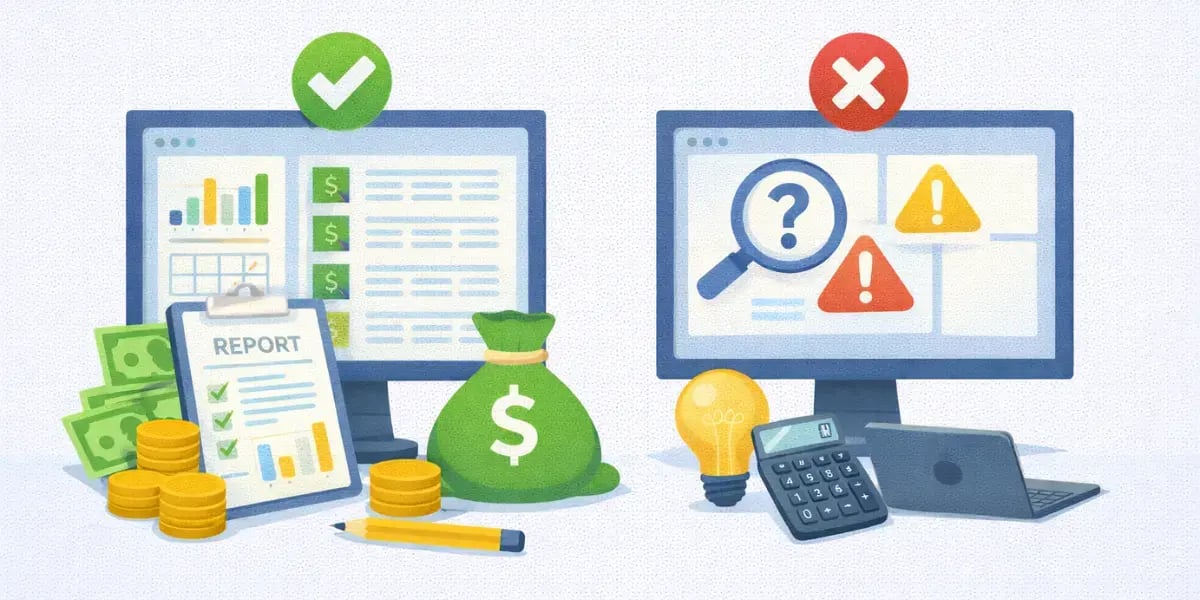
When accounting is set up properly and supported consistently, the difference is noticeable. Instead of reacting to problems, business owners start to feel in control of the financial side of their business.
Here’s what business owners often experience:
- Monthly financial reports that make sense
- No getting blindsided by tax bills
- Payroll that runs smoothly and on time
- Clear expectations around deadlines
- Confidence when making decisions
With a reliable process in place, owners stop chasing issues and start leading with information they can trust.
The goal isn’t complexity or perfection. It’s predictability and clarity that support better decisions day after day.
You Don’t Have to Do This Alone
If accounting feels harder than it should, that’s not a personal failure. It usually means there’s no clear process supporting you and your business.
Owning and operating a successful small business shouldn’t feel this complicated. It just needs the right structure and the right team.
You deserve:
- Clear answers
- Reliable support
- Systems that reduce stress instead of adding to it
- Confidence that things are handled correctly and on time
Whether you’re starting fresh or trying to untangle accounting that’s become overwhelming, the right help can make a real difference.
Schedule a conversation with our team. We’ll help you stop guessing, get organized, and lead your business with confidence instead of concern.
Blog Disclaimer: Nothing in this post constitutes legal, tax, or financial advice and is intended for informational and educational purposes only. This informational and educational material is not intended, and must not be taken, as legal, tax, or financial advice on any particular set of facts or circumstances or as recommendations that are suitable for any specific person. You need to contact a lawyer, accountant, or financial adviser licensed in your jurisdiction for advice on your specific questions, issues, and concerns. View our full Terms of Use here.
Dan Enge, CPA, is TMA’s Director of Accounting Services, dedicated to helping small businesses stay organized, confident, and financially strong. He brings more than 8 years of experience guiding business owners through the complexities of accounting and tax.
Topics: